
EMDR Therapy for Burnout in Maine: Healing the Healers
Finding confidential and impactful EMDR therapy can be difficult when you’re a healthcare professional or therapist in Maine. Here, community is everything. But for the healthcare workers at MaineHealth, the social workers in our rural counties, and the therapists serving our coastal towns, “community” can also feel like a lack of privacy. You might not want your colleagues to know the depth of your burnout or how much your client’s story is impacting you. It’s hard to seek help when you’re worried about running into your therapist at the local market or a professional training.
As someone from away, we have not run in the same circles. In my practice, you’ll find a highly confidential, specialized EMDR space specifically for Maine’s caring professionals. Whether you are navigating the vicarious trauma of frontline medical work or the unique isolation of rural clinical practice, my approach is designed to help you process the “stuck” places so you can return to the life you love in this beautiful state.
Interweaving EMDR with other trauma modalities and cognitive behavioral therapy, I will support you with releasing the weight of your burnout and reconnecting with yourself, your loved ones, and Maine.
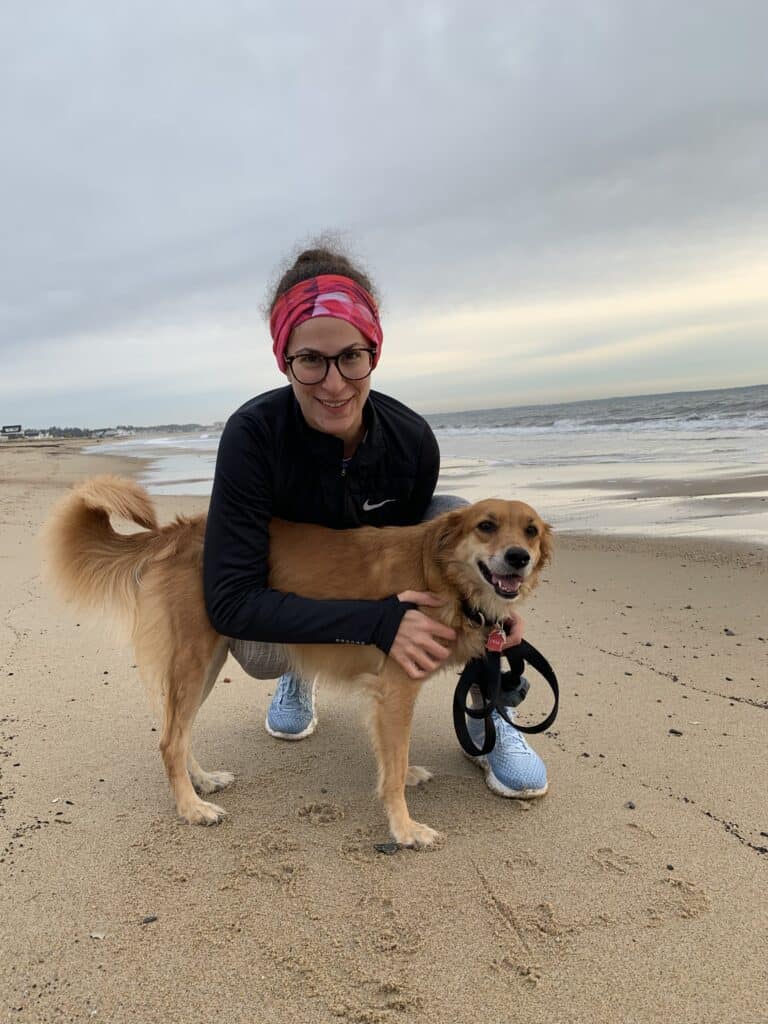
Specializing in EMDR Therapy for Burnout in Maine:
- Pregnancy and navigating parenthood: Navigating pregnancy loss, birth trauma, and the complex transition to parenthood.
- Vicarious trauma in healthcare workers: Sometimes our bodies take on the emotions and sensations of a client’s experience. I’m experienced in supporting your brain and body finally realize that the danger is not only over, it wasn’t yours to begin with. My work supports your return to living fully in the present.
- Chronic Stress & Burnout: Nobody experiences chronic stress like a high-achieving professional. Whether you’re an attorney, in finance, or a doctor, you might find that you’re stuck in the grind and need new ways to get out of this cycle.
- Therapy for acute and complex trauma: Anyone can experience trauma. Acute trauma is typically a single, large event that continues to impact you after it ends. Complex trauma is built up over time, often starting in childhood, and can be related to your neighborhood, family, or existing in the systems of oppression that are unique to the US.
Cost of Therapy for Burnout In Maine
$250 for 75-minute intake and $205 for subsequent 55-minute sessions
$308 per 90-minute session (optional length for EMDR and required for couples therapy sessions).
$650 per 3-hour EMDR intensive
I provide what’s called a “super bill” for you to use your out-of-network benefits.
Special Therapy Offers For Healthcare Professionals in Maine
3-Hour EMDR Intensives for doctors and nurses
Doctors and nurses have unpredictable schedules that sometimes get in the way of the consistency the standard EMDR schedule requires. These intensives are meant for your if you are a healthcare professional needing support with an acutely stressful event at work, chronic stress/burnout, or compassion fatigue.
Drop-In Virtual EMDR Group Therapy for Burnout, Workplace Trauma, and Compassion Fatigue
In addition to targeted individual therapy for mental health professionals, I am offering a discounted, drop-in group for vicarious trauma for healthcare professionals and social workers. I specialize in working with therapists, social workers, nurses, and doctors. You see it all in your work, and sometimes carrying it home is unavoidable. This short-term group offers relief from the experiences that stick with you.
12-week EMDR and Couples Therapy Package for Perinatal Trauma
I offer 12 weeks of individual EMDR and couples therapy to partners who have experienced reproductive trauma. This is a limited, focused offer to address how this trauma impacts the individual and couple.
Frequently Asked Questions (FAQ) About Therapy Services in Maine
What is a phone consultation?
- You can learn a lot from reading someone’s website, but you can’t get a feel for your therapist without at least hearing their voice. This is your first opportunity to meet a therapist. You’ll want to hear that your therapist knows something about your unique experience and has a plan to help you. Your therapist should be able to speak to that. And, even if someone knows what they’re talking about, they still might not feel like the right fit for you and that’s OK.
- My consultations are 15-minute phone calls. It’s free of charge and there’s no pressure to move forward.
Please share your credentials
- I am a Licensed Clinical Social Worker in Maine, New York, and Colorado. To maintain my clinical license in Maine, I complete 25 hours of continuing education every two years.
- My graduate work was completed at Columbia University, where I completed a program to earn my Master’s Degree in Social Work and Master’s Degree in Public Health.
- I was initially licensed while working in NYC. To become an LCSW in New York, I completed 2000 hours of supervised clinical experience within 5 years of graduating and passed a national exam on clinical social work practice. New York is strict about only direct clinical contact hours counting towards those 2000 hours, whereas other states allow some hours of research, supervision, and administrative work to count towards clinical experience hours for licensure.
- Additional credentials:
- EMDR-certified therapist and Consultant-In-Training. To retain this credential, I complete 12 hours of continuing education in EMDR practice within every 2 year period.
- Certified Perinatal Mental Health Practitioner (PMH-C). To retain this credential, I complete 12 hours of continuing education within every 2 year period.
Why should I trust you? What experience do you have supporting healthcare professionals and therapists with burnout?
- Trauma therapy for healthcare professionals has made up a substantial part of my work since 2020. At that time, healthcare professionals came into my practice to process the trauma of their jobs during the COVID-19 pandemic. They came to me feeling exhausted, disconnected, and numb. We’ve worked through burnout, grief, acute workplace traumatic events, and vicarious trauma to find relief, connection, and the ability to experience the joy at their weddings, births of their children, and other life events.
- I have supported therapists and social workers with burnout and vicarious trauma as a supervisor and as a therapist. The work we do is hard and I know the systems you’re facing and the depth of the work you do well. My focus is supporting therapists through their burnout, compassion fatigue, and workplace trauma, so that they can reconnect to the meaning that brought them into the field. Therapists who come to me feeling numb and withdrawn leave therapy feeling embodied and present with their loved ones.
Are there benefits to paying outside of insurance?
- There are a couple of benefits to paying out of network. One is that it keeps therapy out of your medical record. While mental health care is becoming more widely accepted as an important part of self care, it is still stigmatized in certain fields and communities. People also have real concerns about how their diagnosis or mental health treatment might impact their professional growth. Being out of network offers discretion and privacy.
- Additionally, paying out of network means that there aren’t restrictions on the work we do. We will talk about length of treatment, costs, and treatment planning from our very first phone consultation. Insurance plans sometimes restrict the number of therapy sessions they’ll reimburse or only reimburse for certain modalities for specific disorders. EMDR is a great example of this: Many insurance companies will only reimburse EMDR therapy if you have a PTSD diagnosis, despite trauma having pervasive effects that may not meet the diagnostic threshold for PTSD.
What support do you offer with out of network claims for healthcare professionals in Maine?
- I offer a monthly “super bill” to support your reimbursement. This bill will include your information, a diagnosis, and the billing code and cost for your session.
Is virtual therapy effective?
- Yes! Research shows, and it has been my experience, that therapy via telehealth is just as effective as in-person therapy. While I often miss offering therapy in-person, a fully virtual telehealth practice helps me keep my fees affordable for the people I work with. Additionally, the people I most enjoy working with (neurodivergent women, high-achieving professionals, healthcare professionals, and moms) appreciate the flexibility that telehealth therapy provides. Not commuting to an office means more time with their families and the ability to hop into a therapy session between work meetings, over a lunch break, or before starting work.