
Therapy for Perinatal Mental Health in Denver, CO
Say good bye to crying in the shower

Nobody seems to have had the experience you have – from difficulty conceiving to disturbing images of your worst fears plaguing you all day.
You feel like everyone expects you to show up happily and you’re trying. But now you feel done.
The people who come into my practice after loss, while struggling to conceive, or feeling disconnected after birth share the same, deeply believe that there’s something wrong with them. They’ve been crying in the shower, trying to hide their feelings from people who just don’t seem to get it.
This anxiety, depression, and grief/loss are common and treatable. With good care, you can go from feeling on-edge, discouraged, and yes, even “crazy,” to finding new meaning and connection.
In addition to providing therapy services in Denver, CO, I see people virtually throughout Maine, NYC, and New York State.
Why I provide therapy for perinatal mental health in Denver, Colorado
After my own grief experience and the anxiety I experienced throughout the peripartum period (from TTC process through postpartum), I knew I wanted to work with parents who felt not just like they were doing this wrong, but that there’s something wrong with them. Perinatal mental health involves the whole period from the time you’re trying to conceive through postpartum (whatever that looks like for you). I’m incredibly excited and honored to bring what I have learned from my advanced trainings and certification process through Postpartum Support International to my work with you.
While New York and Colorado offer some paid family leave through the state as well as through employers, the time is insufficient compared to the metamorphosis of becoming parents for the first, second, or seventh time.
- Did you know that In the United States, 1 in 5 moms and 1 in 10 dads experience perinatal (pre-pregnancy, pregnancy, post-loss, up to 1 year postpartum) depression and anxiety. The incidence here is higher than in other wealthy countries, at least in part due to the lack of support for pregnant people and new parents.
- Add to this the risks of being part of marginalized communities (Black, Indigenous, in an LGBTQ2S+ partnership), and your risk for experiencing bias (and therefore) medical and mental health complications during pregnancy and postpartum increases.

Perinatal Anxiety Treatment in Denver, NYC, and Maine
The truth is, things throughout this period often don’t go as planned. You’ve experienced the frustration and sadness of planning, trying, and getting a negative pregnancy test month after month. And then, to get pregnant and then feel the anxiety leading up to each month’s doctor’s appointment, worrying if this is the visit they uncover something horrible.
After birth, it’s only gotten worse. You’ve found yourself feeling overwhelmed by the tasks and coordination required of your new role and having trouble settling down to sleep, even when your baby is sleeping. You’ve tried getting out of the house for a walk with the baby, but you find yourself picturing accidentally letting go and watching the stroller roll down the hill into the traffic below.
In therapy, I will help you build tolerance for your distressing thoughts. As distressing as they are, these disturbing intrusive thoughts are there to protect you. But when it’s your anxiety that feels unrelenting, I will support you with DBT with distress tolerance and mindfulness practices to build capacity for your anxiety and self compassion.
Therapy for Postpartum Depression in Denver, Maine, & NYC
The postpartum period is HARD: You’re not sleeping well or very much and you have a new being who relies completely on you, every second of the day. But if you’re experiencing frequent crying or feeling like you have made a mistake by becoming a parent or that you aren’t able to handle parenthood, you may have crossed over from baby blues into postpartum depression. Not only are you feeling disconnected from your baby, you’re feeling like a horrible person for feeling that way after the effort you put in to get here. You’re finding it hard to fall or stay asleep after nighttime wakings and you find yourself slogging through your days with your baby.
In my therapy practice, we will primarily use mindfulness and CBT approaches to challenge and change the cognitive experience of your depression and identify behavioral changes you can make now and over time to support your wellbeing.” When more fixed negative beliefs about yourself emerge, I may approach those with EMDR or ongoing CBT to help you challenge or reprocess those beliefs and integrate a more positive and compassionate view of yourself as a new mom.
Therapy for Perinatal Grief and Loss in Denver, CO
If you have experienced the unimaginable experience of being unable to carry a pregnancy to term, are facing barriers to your/your partner’s fertility, or experienced pregnancy or infant loss, you know how deep and isolating this is.
Even when everything goes “right,” there can be a grief process: Grief for your “old life,” grief for the state of your relationship without kids, grief for the changes your body underwent.
Many things can be true at once:
- You can love your baby and miss the relative ease of your pre-parenthood days.
- You can love your partner and wish parenting looked different.
- You can love your family and wish you were sleeping better.
- You can be happy you made this choice and wish there were someone to share the beauty and the burdens with you.
Sometimes this acknowledgement can become a powerful mantra, but most often we will also work on processing grief, communication skills (with kids, partners, and other family members), building self compassion, and practicing other skills that allow you to respond from your wisest self.
To support you through pregnancy- and birth-related trauma and grief, I connect my trauma work (EMDR and somatic work) with my perinatal mental health work. (You can learn about what this looks like here). In addition, I offer a special 12-week package for you to receive targeted EMDR therapy to address this loss while also receiving couples therapy to address the disruption this often causes in relationships.
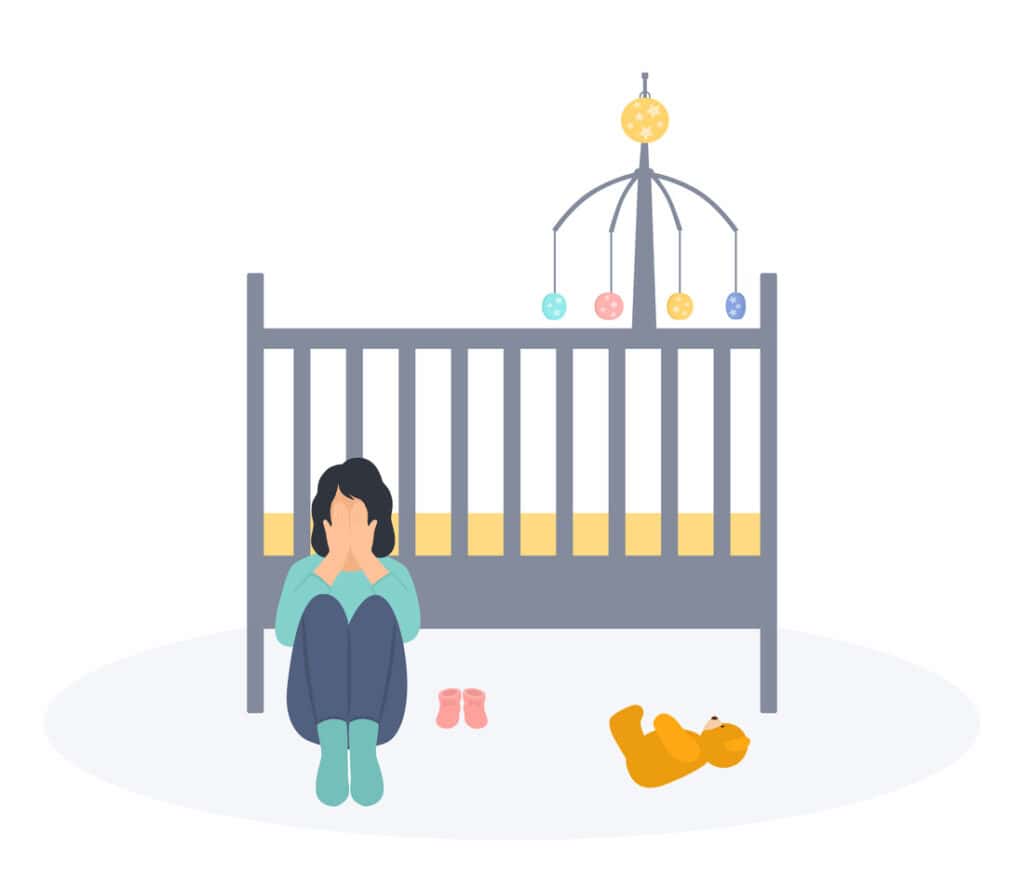
Skye Ross offers therapy for postpartum depression and perinatal mental health distress in Colorado | Maine | NYC
Visit Postpartum Support International for additional support resources.